GUEST POST BY BILL ARON, author and photographer
The Unacknowledged Phase of Cancer
by Bill Aron
I can’t control how long I live, but I can control how I live. Cancer taught me that.
When I was diagnosed with cancer in 1993, my first reaction understandably was fear, which was soon followed by a crushing sense of feeling all alone. I felt alienated and estranged from everyone. It was like I was living in a different universe. Susan Sontag described this feeling well when she wrote that the sick person is transported to another country, separate and distinct from the land of the healthy. Then after treatment, instead of being elated, I felt once again alone and confused.
Over time, I began asking other survivors, several hundred in all, over a 10-year period, about how they felt when their treatment was finished, and many acknowledged similar feelings. One survivor labeled it the ”unacknowledged phase” of cancer, when the frenetic flurry of treatments and doctors’ appointments is replaced with a gaping silence and an uncertainty about what the future holds.
At this point, survivors are left to their own resources as they attempt to move forward. Family and friends expect the survivor to move on. Even the survivor expects life to go back to normal. I instinctively knew this wasn’t right.
I learned a lot from the survivors I spoke with: I discovered that fear, pain and depression do not have to be lasting events, but can be viewed as passages to somewhere and something better.
Some survivors changed careers, some reordered their priorities, some started families, while others simply reaffirmed that the path they had chosen was right for them. They changed in other ways as well, altering their diets and taking up exercise. “No one dies from eating fruits and vegetables or exercising,” one survivor told me. They explored ways to give back to the “cancer community” by raising money, visiting treatment centers, founding survivor organizations, and reaching out to others who had been diagnosed. They believed they could make a difference.
Too often, the words, “You have cancer” are an ending instead of a beginning. In truth, I learned that there are amazing stories to be told of people for whom cancer became an impetus to change their lives for the better. Those stories could comfort thousands of people who felt they alone and scared. Those stories need to be heard.
Towards that end, I interviewed several hundred cancer survivors, which became the basis for the book “NEW BEGINNINGS: The Triumphs of 120 Cancer Survivors” which consists of interviews and portraits of 120 survivors, ages 2 through 99, many cancers.
In conclusion, the most important lesson I learned is that “If you can change how you feel about your life’s possibilities, then the world around you will change.” Learning to live after, and with cancer is a very different mindset – and many need help in figuring out how.
“Conquering cancer is really not about cure. It’s about living—living well for as long and as fully as one can.”
—The New York Times personal health columnist
Jane E. Brody in her introduction to NEW BEGINNINGS
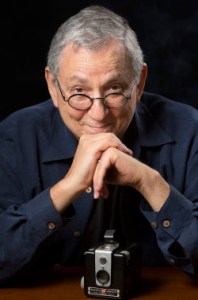
A Taste of the Images: http://www.billaron.com/new-beginnings-the-triumph-of-120-cancer-survivors.html
AmazonLink: http://goo.gl/FnS5J4
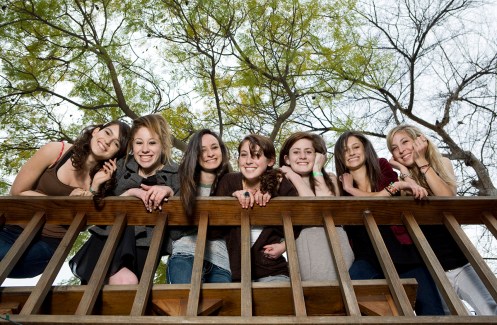
Cancer Survivor: Chelsea Kaufman with Friends: right to left: Hannah, Daniella, Chelsea, Marissa, Kayla, Sarah, Alana
Chelsea Kaufman and Friends, in Chelsea’s words: “Before I was diagnosed with cancer, I was just another giddy 15-year-old, size-four girl. After six surgeries and six months of chemotherapy, I first had to learn that I needed to allow myself to grieve for all the fear that I experienced, and most important, the loss of my 15th year. Only after the grief could my focus change to moving forward … To live without goals is to exist without celebrating life.”
 toooldtodieyoungblog